Introduce the example (3 minutes), demonstrate one step (5 minutes), let learners work (15–25 minutes), then invite reflection (5 minutes). Adapt the timing to your group.
Before the lesson
Prepare supplies and a safe workspace, choose whether learners work individually or in pairs, and plan a no-cutting alternative where suitable. Use the illustrated stages as prompts, not a mandatory model.
During the lesson
Display one step at a time, demonstrate the action slowly, then allow creative variation. Ask neutral questions such as “Which part are you changing?” rather than comparing results.
Supporting different needs
Offer larger paper and fewer details for learners who benefit from a simpler task. Encourage advanced learners to add a background, second character or extra storyboard frame. Avoid assuming every age group has the same motor skills.
Closure and observation
Ask learners to name one decision and one change they made. Keep participation optional for children who prefer to explain privately. Review safety, especially small fasteners and device recording.
Free classroom printables
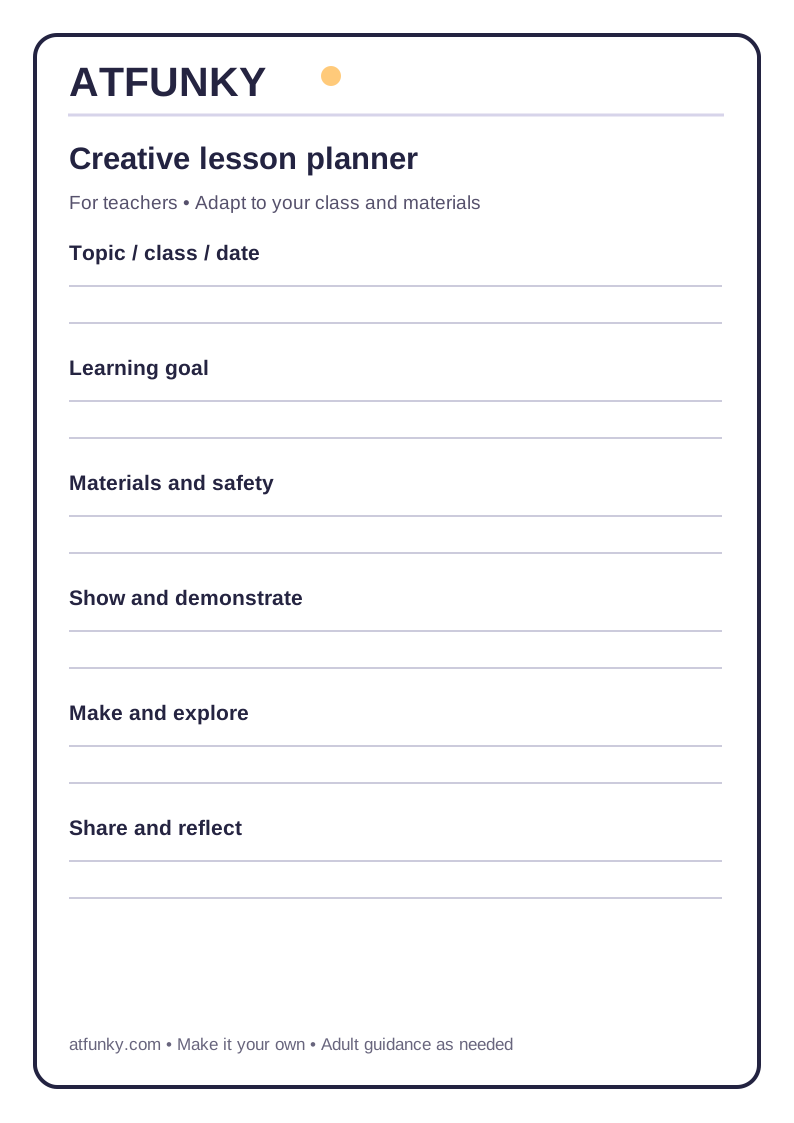
Lesson planner ↓
An A4 page for outcomes, materials, steps and reflection.
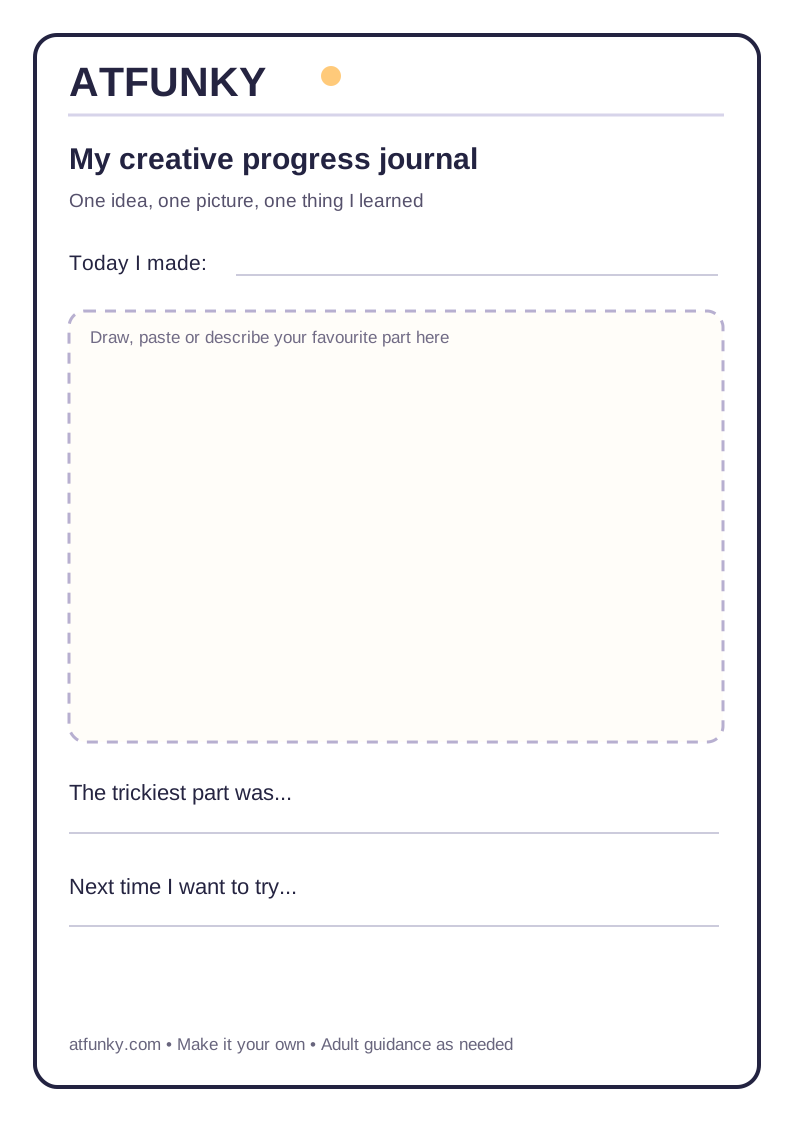
Creative progress journal ↓
A child-friendly reflection sheet without grading.
Choose a teaching sequence
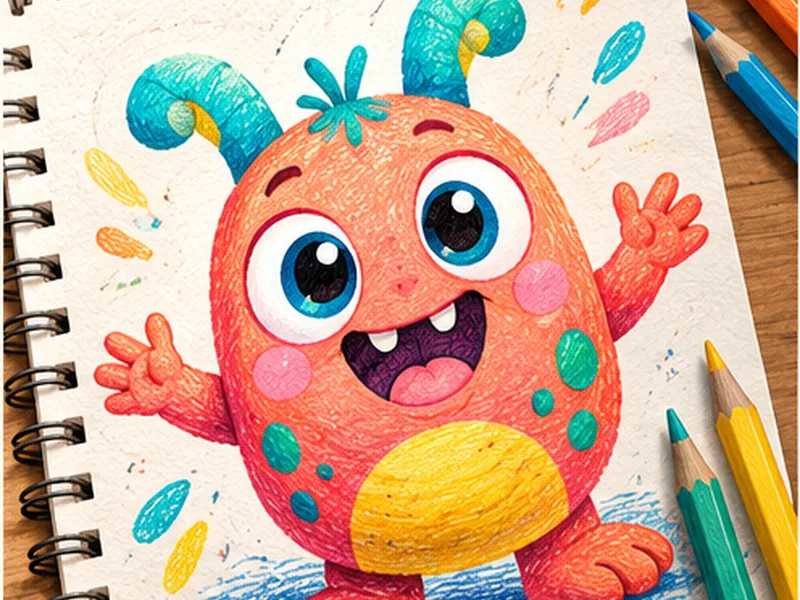 First week of drawing: little shapes to big ideasAges 5–9 · 4 sessionsA calm four-session drawing journey from basic shapes to a character story.
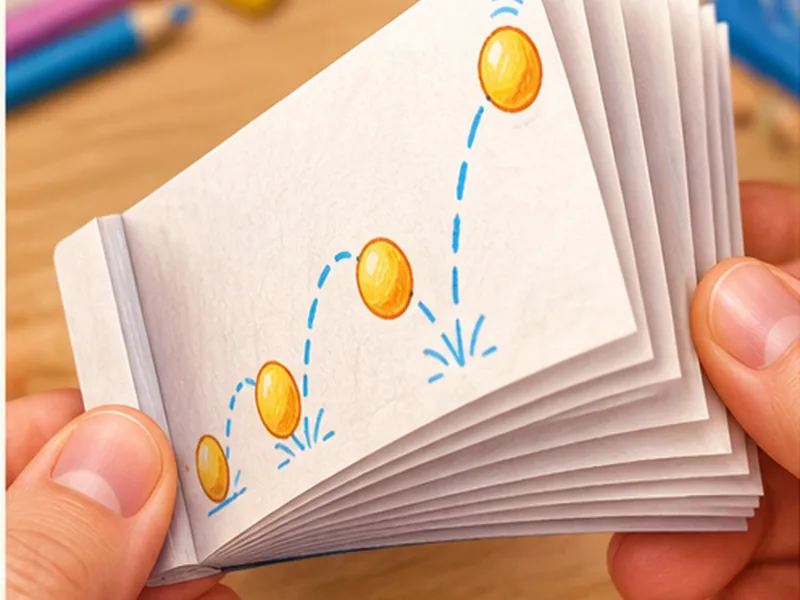 First animation journey: make pictures moveAges 7–13 · 4 sessionsFour practical sessions move from simple story planning to a handmade flipbook and stop motion.
 Creative classroom starter: four short lessonsAges 6–11 · 4 sessionsA flexible classroom mini-unit combining drawing, making, storytelling and unplugged problem-solving.